7 Ways How Parents can Help Their Children During Olympiad Exam Time
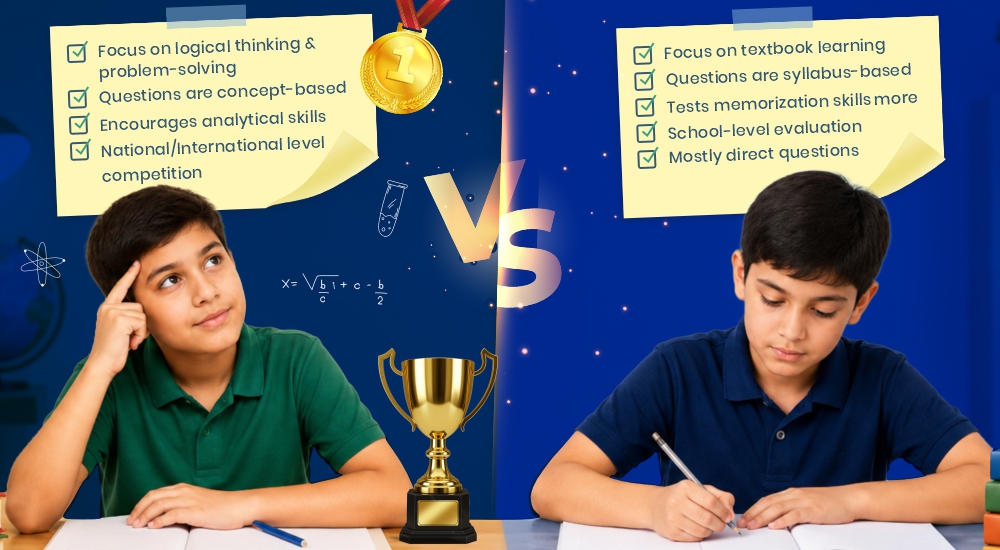
Olympiad exams are way different than the school academic exams and require a completely different style of parenting when it comes to preparing your child for it. And if parents do not know the right preparation strategy then they might choose between too many books and resources, might not understand what is the right amount of pressure that can be given, and might end up finding it difficult to track the actual progress.
We conducted the Mittsure Olympiad Masters in 2025 where more than 2000 schools participated and more than 4000 exams were conducted in Maths and Science. Parents praised us for boosting confidence and building relevant skills. But there was a gap we experienced when talking to them. Parents know that their children are to give the olympiad exams but they do not know how they can make the preparations easier for them. Even this year, MOM is ongoing in subjects English, Maths, Science, Reasoning & Aptitude and General knowledge and this gap still persists.
Because even though olympiad exams are conducted via schools, parents play a major role when children are preparing to sit for the Olympiad exams. So this blog is a detailed guide with tips for parents to make their child’s preparation for olympiad exams easier.
What does a child go through when preparing for Olympiad exams?
The biggest absence of a parent’s support might be felt during the transition from children preparing for school exams to them preparing for Olympiad exams. Because when children plan to prepare for Olympiad exams they are excited about the new challenge and the struggle but once they see the advanced concepts, the confidence might shatter.
Olympiad exams go more deep into analytical reasoning and logical assumptions which is sure to challenge their mental stamina as children have to rebuild their concepts from a different and a deeper perspective than they would have to, for their academic exams. The higher cognitive load will then place greater demand on the working memory making them frustrated upon making mistakes, might give them the difficulty shock, make them doubt themselves, ultimately fluctuating their confidence level. Not to mention the constant time management pressure.
How can Parents create an optimal learning environment for Olympiad Exams?
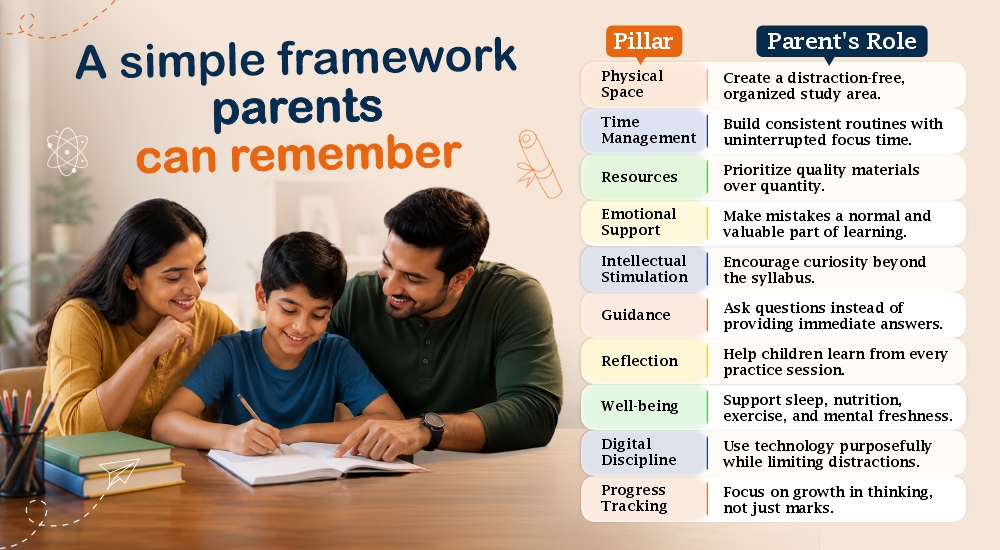
1. Create a distraction free thinking zone for children. When preparing for Olympiad exams children need to concentrate deeply, taking up to 20-30 minutes for a single problem. And frequent interruptions might disturb their cognitive flow.
So think of an area in your house where there is no television or excessive noise disturbance. They should have comfortable seating so that they can sit for longer hours and have proper lighting around. If possible, keep everything they need around them like a geometry box, rough notebook, reference books, etc, so that they do not have to spend time searching for things around.
2. Help them in effective time management at home when preparing for olympiad exams. Create short daily concept-building sessions with them, build weekly revision blocks, dedicated problem-solving sessions with scheduled mock test days too.
Try not interrupting them every few minutes with snacks, errands, any reminders or phone calls. Parents' support is crucial in building such an environment at home where children can fully immerse themselves in solving the challenging problems that come in front of them.
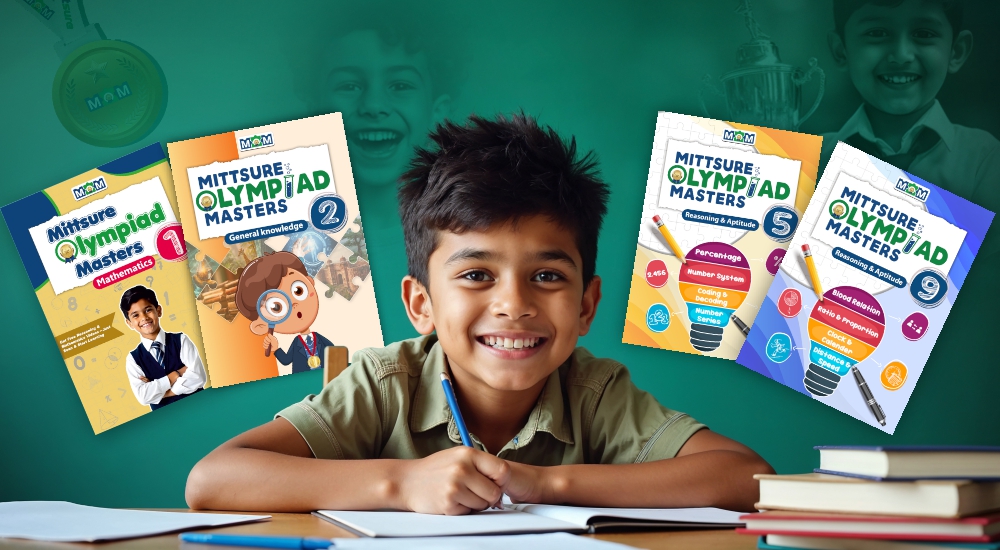
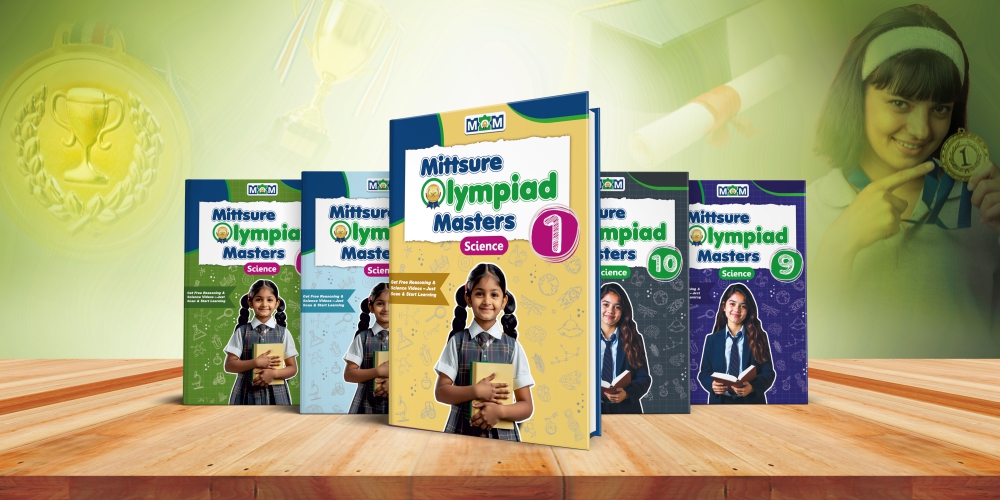
3. One major mistake that most parents make is buying all Olympiad resources that their child asks for without even researching it. Instead of this, parents can help them by researching the right resources with them, so that they have one strong concept resource, one quality question bank, focusing more on quality than quantity. For this convenience, we have a Mittsure Olympiad Masters workbook for every class and every subject for Mittsure Olympiad Masters so that children master the core topics and concepts without getting confused or overwhelmed.
4. Provide them with an environment where they feel safe to struggle. Olympiad exams require understanding of all the core topics and students might end up answering a lot of answers incorrectly. So if every mistake makes them feel underconfident or they sense disappointment from your end, children might start avoiding difficult questions altogether.
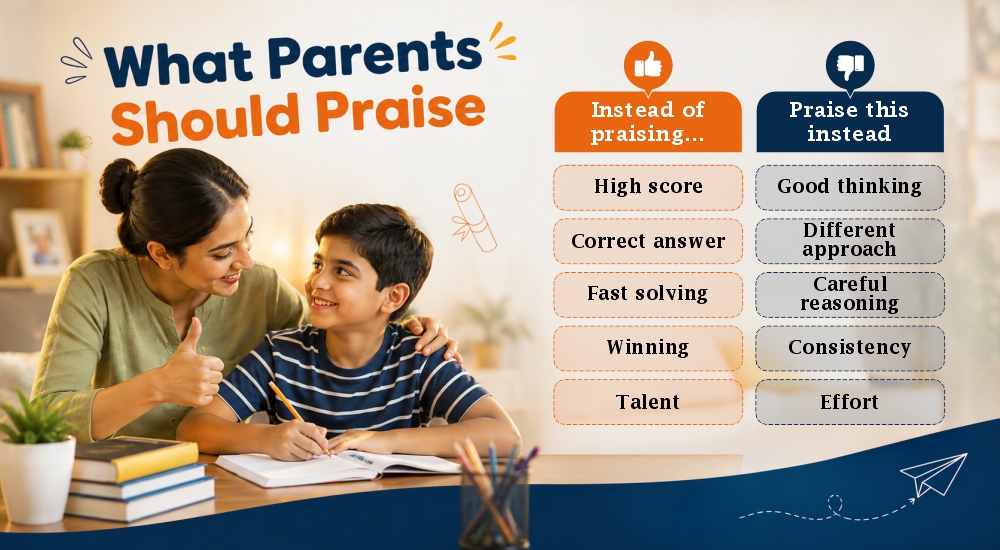
Instead, normalize their mistakes, appreciate if they brainstorm or try thoughtful attempts, and eventually discuss with them what all they learnt from the errors instead of pointing them out directly. Parents play a major role in helping their children build emotional resilience.
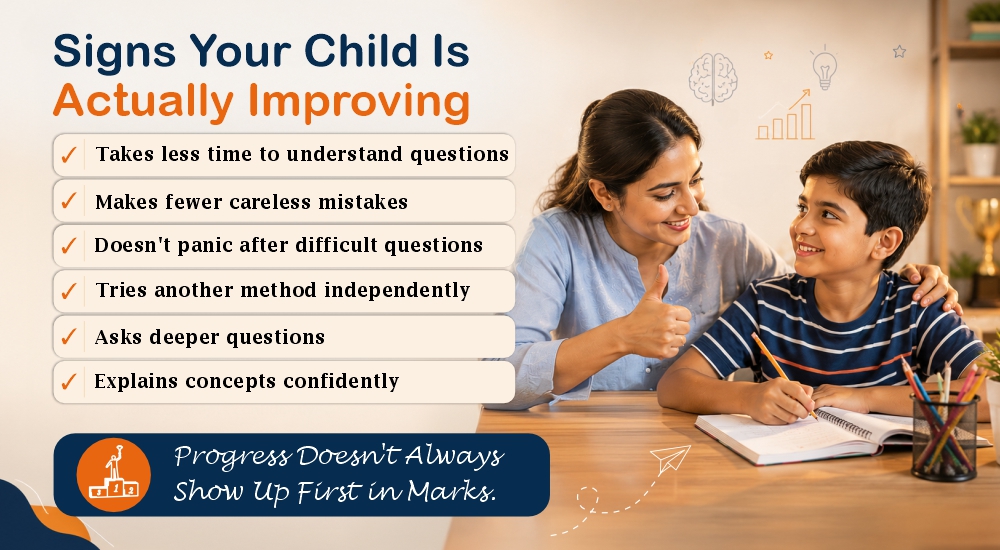
5. Involve yourself in guiding them as much as possible. You don’t have to help them with the answers directly. Ask them what they think of the concept, can a particular question be solved in another way, what is the question really asking. Help them in thinking independently rather than depending on your guidance.
You can also build a feedback or reflection system with them where you ask what took them the longest, one mistake that kept happening repeatedly, what concepts as per them needs revision, or what ways are working for them when it comes to understanding concepts and solving questions.
What are the age wise challenges children face when preparing for Olympiad exams and how can parents sort it?
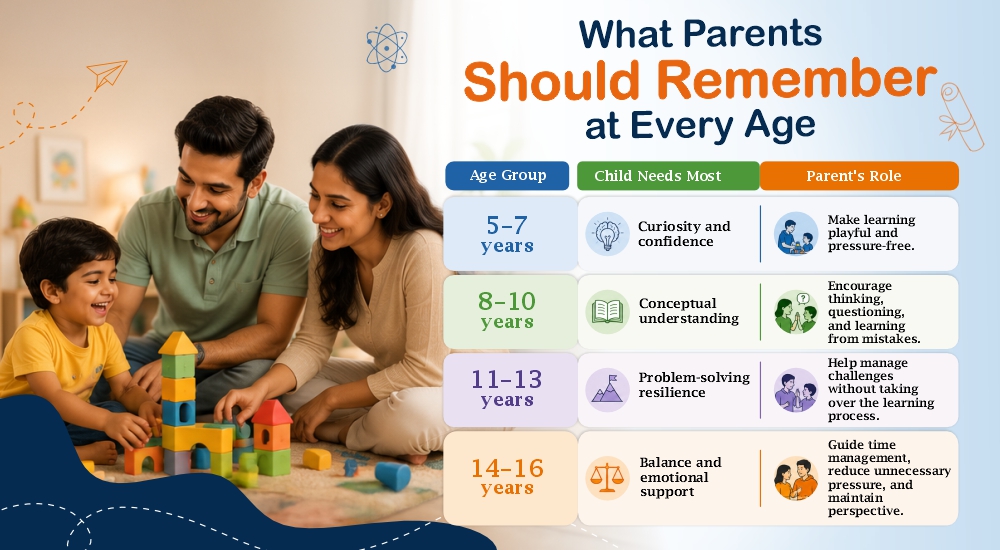
1. For ages 5-7 belonging to classes around 1-2, children are in their foundational stage and have shorter attention spans while their reading is slow. So help them explore concepts through puzzles, games, building blocks, and keep their study sessions regular but at short intervals only.
2. For ages 8-10 belonging to classes around 3-5, children can connect ideas so they might rush to answers directly, memorize instantly and think they have actually understood the concepts, compare themselves with classmates, and might feel frustrated if one method does not work.
So encourage them to explain how they concluded the answer, or ask them to find two different methods with which the same problem can be solved, and try not to compare their progress with any other person.
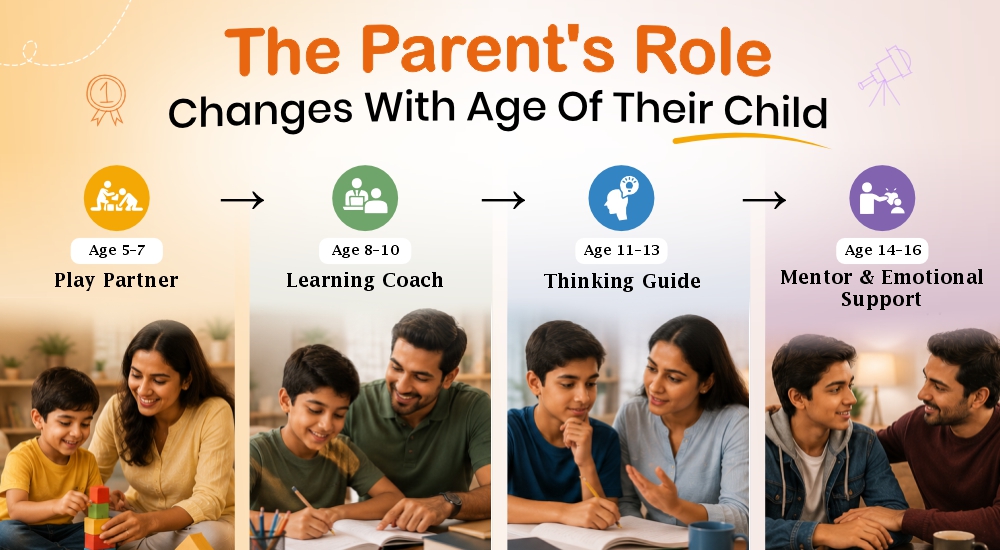
3. For ages 11-13 belonging to classes around 6-8, children are able to think analytically and might lose confidence if they do not score well in the mock exams. They become more aware of what rankings or competition mean so instead of pushing them to solve the questions correctly, teach them how to analyse their mistakes. Building resilience at this stage will give them a strong head start to keeping their confidence intact.
4. For ages 14-16 belonging to classes around 9-10, children go through a lot. There’s board exams, career discussions, time pressure as there are multiple commitments. They might develop the fear of underperforming even after months of preparation, sometimes even leading to mental fatigue from studying continuously.
Help them build a realistic study plan which includes sleep and recovery time too. If you sit to discuss their progress, don’t do it in terms of what marks they scored or the rank they achieved in the mock exams, instead let them explore the skills they developed by attempting the assessments.
Olympiad exams are becoming essential in schools now as they put application of concepts, reasoning with them, and problem solving skills on priority. The Bloom’s Taxonomy, which is a hierarchical framework used by educators to categorize learning objectives by complexity, groups thinking into remember, understand, apply, analyze, evaluate, create.
Olympiad exams largely assess the upper four levels, while the regular school assessments cover the first two levels. So students participating in Olympiad Exams has become a must, and if parents can help them in preparing smoothly, it is a win win as they reap the overall benefits of Olympiads without juggling through any pressure.
Recent Posts


- Mittsure Olympiad

- Mittsure Olympiad

- Mittsure Olympiad
- Mittsure Olympiad


- Mittsure Olympaid
- Mittsure Olympiad

- Mittsure Olympiad




- Mittsure Olympiad