Why Strong Reasoning & Critical Thinking Are the Missing Links in School Education
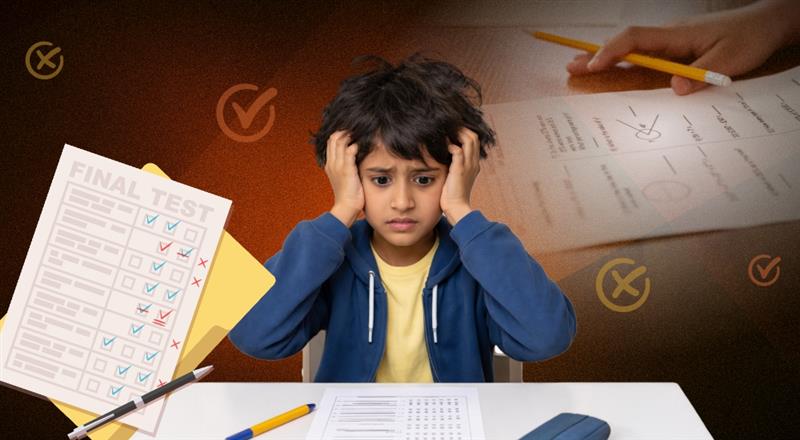
Our school education is structured in a way that if students get the right answers it is accepted as they have understood the concept. It doesn’t count whether they know just the answers or the whole concept. All the textbooks, examinations, and assessments, have mostly rewarded accuracy, speed, and memory. And this approach has brought so many academically competent students but simultaneously a growing gap can be seen where students know what to answer but also struggle with why, how, and what next.
And this has led to a common pattern that students can recall information but lose confidence when they face some unfamiliar problems, application-based questions, or students that need independent thinking. The reason why this happens is because they missed shaping their reasoning and critical thinking. The missing links in school education that determines how effectively students learn, apply, and grow.
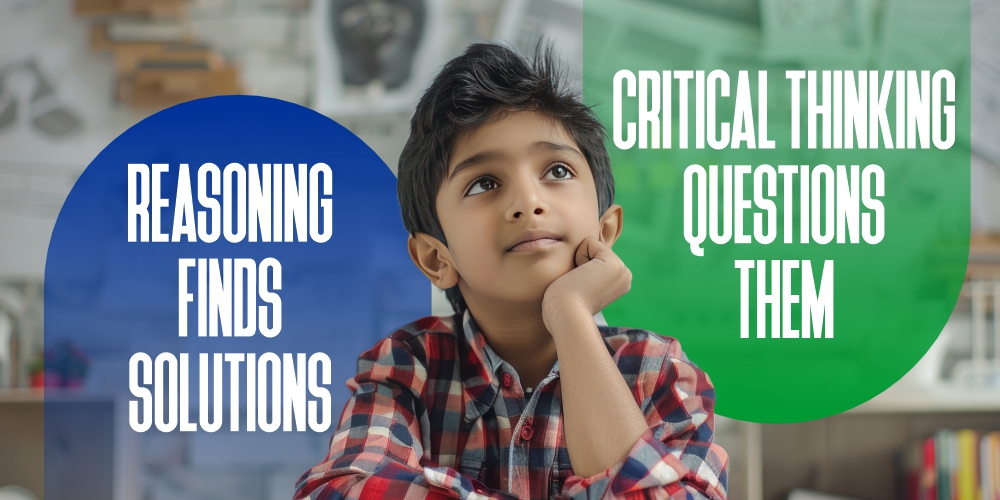
In simple terms, reasoning is the ability to think logically, identify patterns, draw conclusions, and solve problems step by step. Critical thinking, on the other hand, involves analysing information, questioning assumptions, evaluating evidence, and making informed decisions.
In school education, these skills translate into:
- Understanding concepts instead of memorising procedures
- Solving unfamiliar problems with confidence
- Connecting ideas across subjects
- Explaining answers logically rather than guessing
While reasoning helps students arrive at solutions, critical thinking helps them evaluate whether those solutions make sense. Together, they form the backbone of meaningful learning.
Why Schools Must Prioritise These Skills Early
Cognitive research consistently highlights that reasoning abilities develop significantly during early and middle school years. When students are exposed to structured thinking tasks early on, they develop stronger neural connections related to problem-solving, attention, and decision-making.
The National Education Policy (NEP) 2020 also emphasises a shift from rote learning to competency-based education, encouraging schools to focus on higher-order thinking skills, analytical reasoning, and conceptual clarity. This makes reasoning and critical thinking not just desirable, but essential to modern schooling.
When these skills are introduced early:
- Students become more confident learners
- Fear of “wrong answers” reduces
- Curiosity and questioning increase
- Learning becomes more engaging and less stressful
Academic Benefits of Strong Reasoning and Critical Thinking
Students with well-developed reasoning skills tend to perform better across subjects not because they study more, but because they understand better.
In mathematics, reasoning helps students break down complex problems instead of memorising formulas.
In science, it enables hypothesis-building, analysis, and logical conclusions.
In language subjects, it improves comprehension, inference, and structured expression.
Research-backed classroom observations show that students trained in reasoning:
- Grasp concepts faster
- Make fewer careless mistakes
- Adapt better to new question formats
- Perform more consistently in Olympiads and competitive assessments
While academic performance is important, the real value of reasoning and critical thinking lies beyond marksheets.
These skills help students:
- Approach challenges calmly
- Evaluate information critically (especially in the digital age)
- Develop confidence in unfamiliar situations
But even after being so important, reasoning and critical thinking are often underdeveloped in regular classrooms due to:
- Heavy syllabus pressure
- Time constraints
- Over-reliance on textbook-based learning
- Assessment systems focused on recall
As a result, students may excel in routine questions but struggle when asked to think differently, analyse deeply, or apply knowledge creatively.

Why Olympiad-Based Reasoning Is Effective
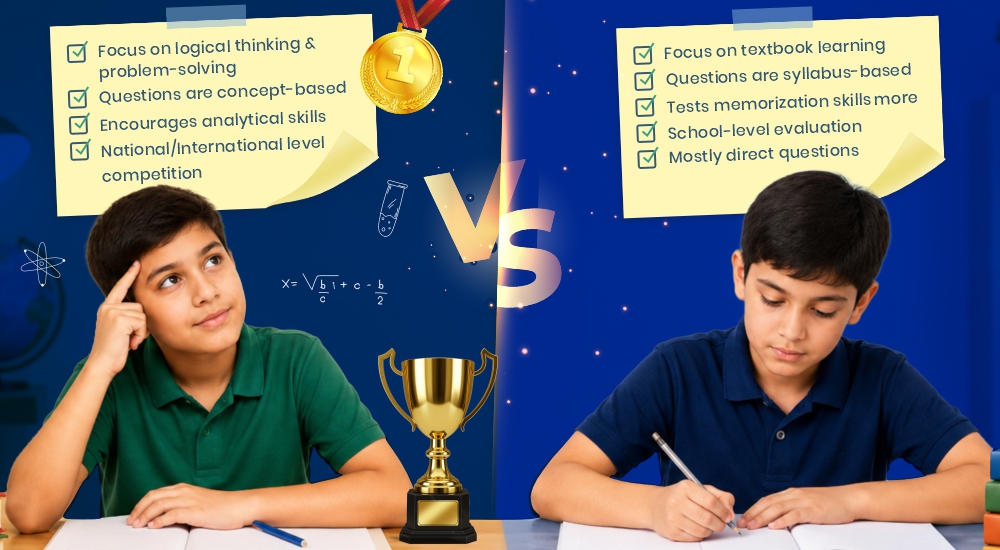
Olympiads are designed to challenge students beyond the syllabus. They focus on:
- Multi-step problem-solving
- Logical deduction
- Application of concepts in unfamiliar contexts
And in this, schools play a crucial role in embedding reasoning and critical thinking into everyday learning.
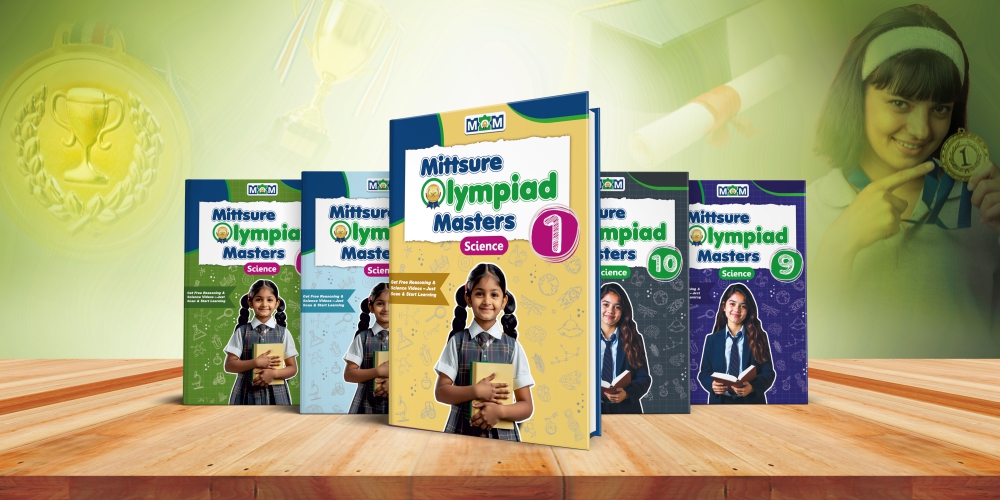
Mittsure Olympiad Masters is designed to make it easy for schools to strengthen the reasoning and critical thinking skills in their students. The frameworks are curriculum-aligned, olympiad books for kids, with progressive difficulty levels, and also provide opportunities for students to compete nationally and learn what healthy competition means from an early age. With MOM the focus shifts from competition and excelling in the exams to developing thinking skills and it stays with students long after their exam is over.
And the schools that recognise and address this missing link are not just improving academic outcomes but are shaping thoughtful, capable, and resilient individuals who are ready for the challenges ahead.
Recent Posts



- Mittsure Olympiad

- Mittsure Olympiad


- Mittsure Olympiad
- Mittsure Olympiad


- Mittsure Olympaid
- Mittsure Olympiad

- Mittsure Olympiad




- Mittsure Olympiad