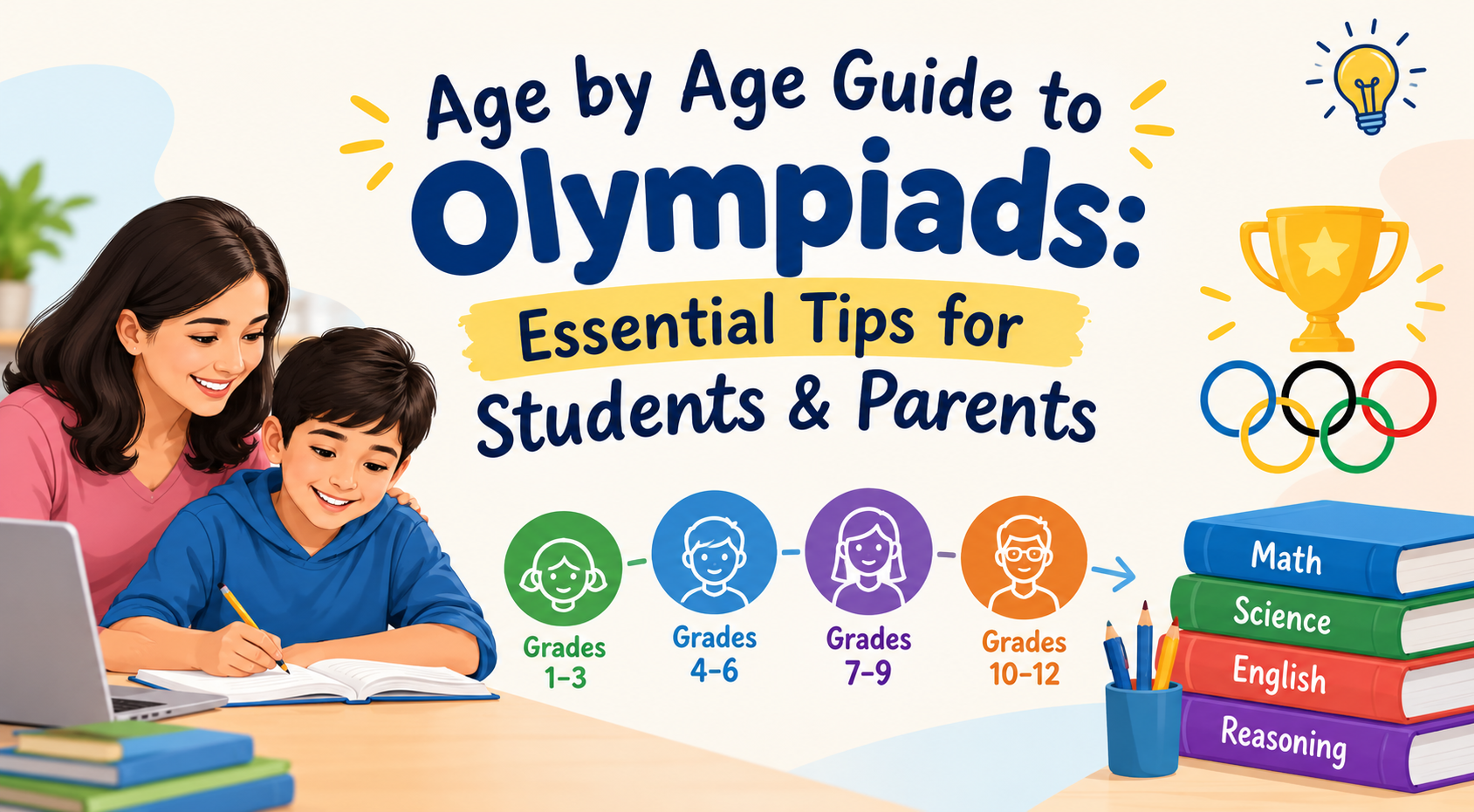
Age by Age Guide to Olympiads: Essential Tips for Students & Parents
Olympiads are competitive exams that tests how well a student understands a concept and then applies that understanding to succeed, instead of simply cramming data. When Olympiad participation is started at the right age and done in the right manner, they help build curiosity, confidence, resilience, subject knowledge and strong logical reasoning skills.
In this blog post, we will walk you through an age-by-age guide to Olympiad exam help you get a proper understanding of approaching them at the right time. Let’s begin!
Ages 4 to 7: Play first, compete later
Focus on curiosity, not rankings!
At this age, the goal is to make math, science and language feel fun. Engage your child in puzzle games, pattern-spotting, building blocks and storytelling rather than indulging them in any test prep.
You can consider beginner-level Olympiads such as MOM Junior Power Quest, specially designed as an Olympiad for Nursery, LKG and UKG students. It is built on the Panchkosha Development Framework and offers engaging assessments in English, Maths, Science, Art and general Awareness. However, make sure to treat the Olympiad as a fun activity and not a pressure to score well.
Tips for parents:
Do not hire a tutor, instead sit with your child and let them enjoy the puzzle games. Skip the rank talk. Praise efforts, identify mistakes and offer rewards. Let your child practice a paper before an actual exam so that they get accustomed to the format and do not feel scared.Ages 8 to 11: Build foundation & identify strengths
Focus on finding what your child is good at!
When your child is between grades 3 to 6, they can handle multi-step problems efficiently. This is the perfect time to build foundation, identify strengths and teach discipline. Be it problem-solving or analytical reasoning, let them think, solve and succeed.
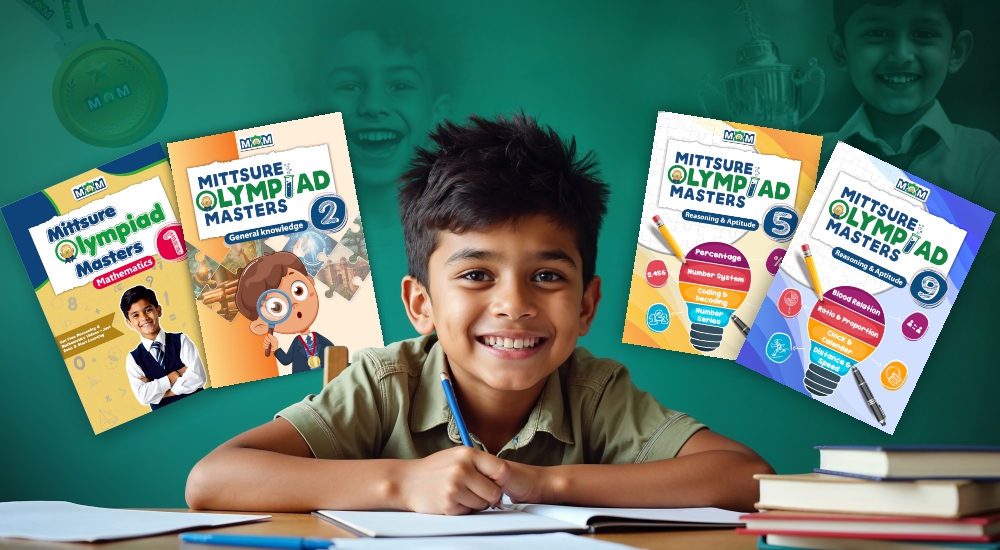
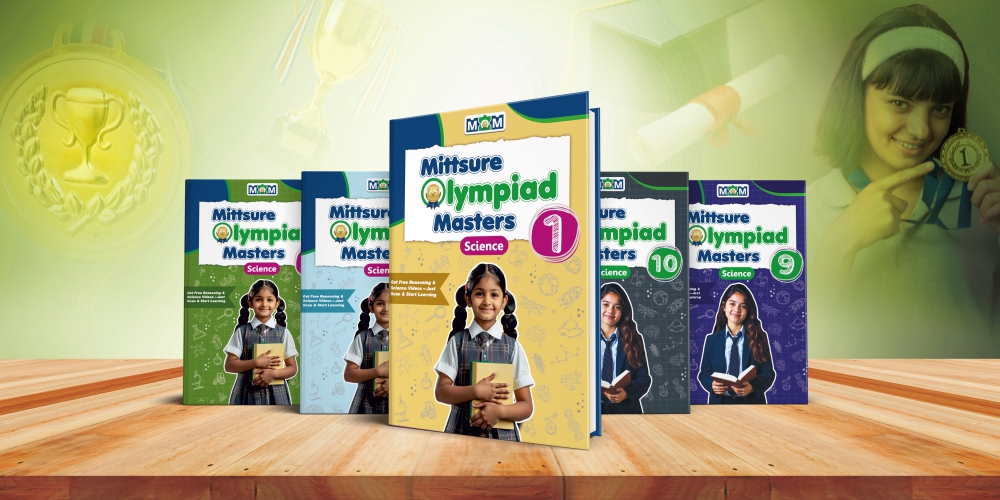
Consider Math, Science, English, Computer Science and GK Olympiads at the school and national level. Mittsure Olympiad Master (MOM) is a national level Olympiad, designed for students from 1st to 12th class, enhancing both personal and academic growth.
Tips for students:
After each practice paper, try to analyse the wrong answers and identify the root cause.
Keep a track of your mistakes and try not to repeat them.
Read, read and read. Remember, strong readers perform better in every Olympiad.
Tips for parents:
Keep a balance between the school marksheet and Olympiad preparation. If homework suffers, scale back immediately.
Ask “What was the most interesting question?” instead of “What was your score?”
Motivate your child by offering their favourite treats or toys when they score good.
Ages 12 to 14: Go deeper & gently get serious
Focus on concepts, consistency & speed!
Olympiad questions begin to get complex for 7 to 9 grade students. At this stage, students are ready to solve real-life problems. Hence, this is a good time for concept building with speed and consistency.
Tips for students:
Keep a timer while you practice to track time taken for every question for better results.
Solve previous years’ papers regularly as they reveal the style of questions better than any textbook.
Join a study group or online channel to understand concepts at your own pace.
Tips for parents:
Be careful while choosing a coaching class and select tutors that teaches analytical skills rather than tricks and shortcuts.
Monitor your child’s behaviour. If they look tired, anxious or frustrated, give them a break instead of more practice tests.
Ages 15 to 17: Specialize subject knowledge & aim higher
Focus on depth, score maximization & a long-term plan
Between classes 10th to 12th, students develop a deeper understanding and preference for a particular subject. They are now ready to aim for national-level Olympiad rounds. However, it is important to understand each topic thoroughly and make a long-term plan for maximum scores.
Tips for students:
Prioritize one subject at a time and try to excel at each subject by concept building.
Study the fundamentals to perform better in Olympiads and board exams, both.
Don’t ignore school because Olympiads should support schoolwork and not replace it.
Remember, hard work never goes wasted. Even students who do not make it to the national stage gain skills that help in college entrance exams.
Tips for parents:
Help your child make a calendar for Olympiad rounds, board exams, and entrance tests. Make sure they stick to it and this roadmap doesn’t collide with each other.
Encourage them to have a backup plan because no matter how much they prepare, a single competition should never define their self-worth.
Never compare your child because every student learns at a different pace.
The Bottom Line
Olympiad journey is the one in which the child stays curious and interested. So, start slow, build depth gently, follow your child’s interests and treat every result as a motivation to perform better. Irrespective of the fact that your little one ends up on a national stage or not, they will become a logical thinker, problem-solver and disciplined individual through Olympiad participation.
Recent Posts



- Mittsure Olympiad

- Mittsure Olympiad


- Mittsure Olympiad
- Mittsure Olympiad


- Mittsure Olympaid

- Mittsure Olympiad

- Mittsure Olympiad




- Mittsure Olympiad