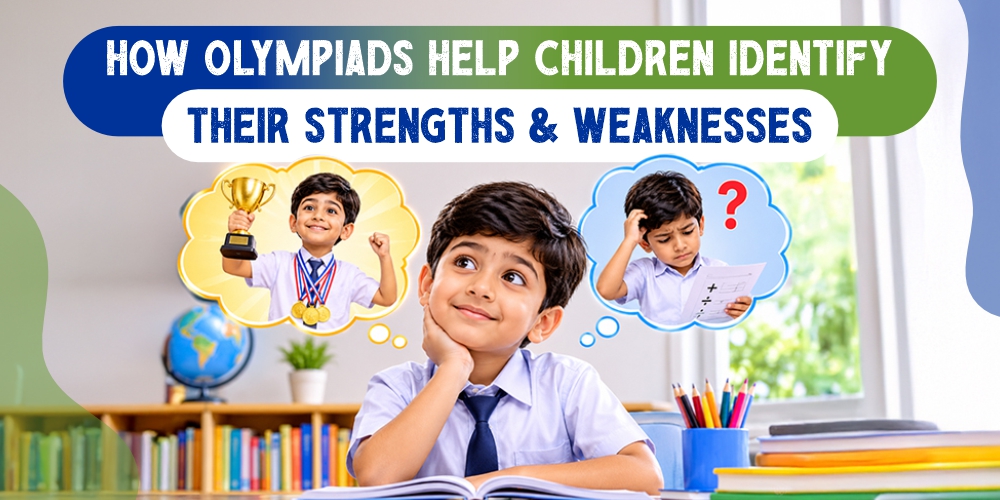
How Olympiads Help Children Identify Their Strengths & Weaknesses
Every parent wants to know what their child is good at and want to offer support in areas they are not good at. Although school report cards give part of the answer, but marks often reflect how well a child memorised a chapter, not how well they think. This is where Olympiads can make a real difference. Olympiads are not just competitions for toppers, instead they are a mirror that shows a child's true abilities, gaps and learning style.
Continue reading to explore how Olympiads help children identify their strengths and weaknesses, which in turn help them perform better.
1. Olympiads Test Understanding, Not Memorisation
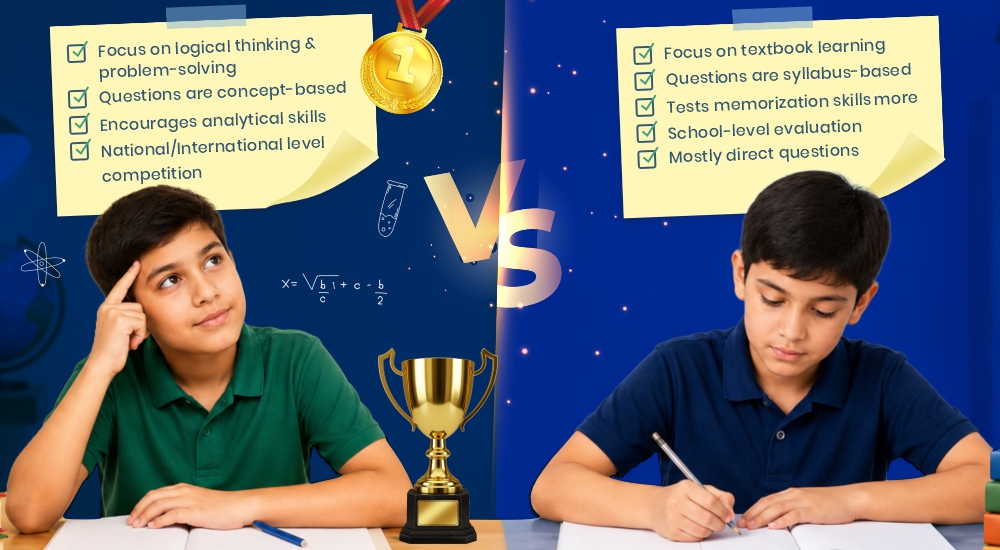
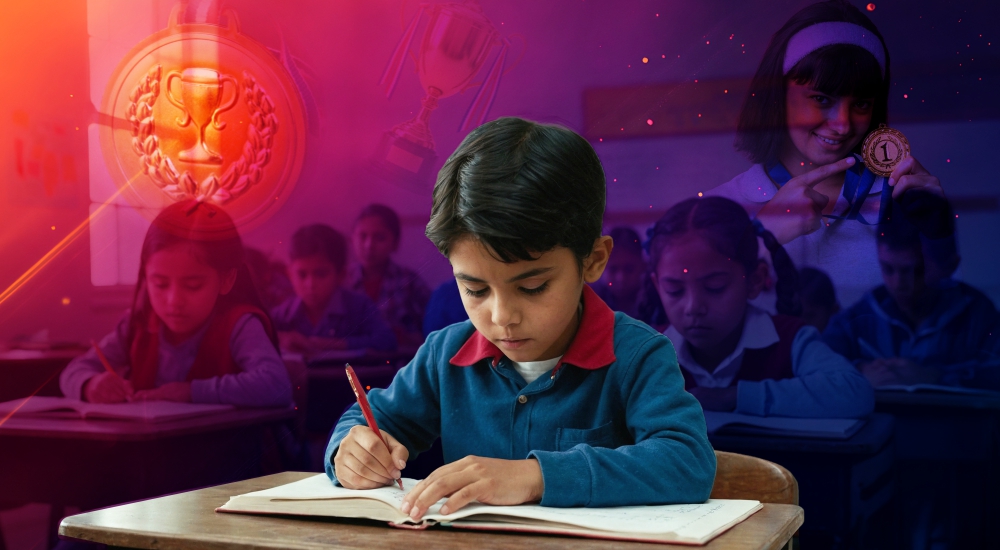
School exams are mostly based on memorization and revision. However, Olympiad questions are application-based, logical and conceptual, so a child must think instead of recalling an answer from the textbook.
Therefore, a child who scores well in school but struggles with Olympiad-style questions may need help in concept building. On the other hand, a child who performs average in school but shines in Olympiad exams may have strong reasoning and analytical skills.
2. Subject-Wise Results Show Natural Strengths
When a child attempts Olympiads in different subjects such as Maths, Science, English and Reasoning, the results form a clear picture. It shows a child’s interest towards numbers, patterns and logic, curiosity about how the world works (Science), enhanced language, vocabulary and comprehension skills as well as sharp observation and analytical ability (Reasoning).
3. Section-Wise Analysis Assess Weak Areas
One of the biggest benefits that Olympiads offer is, detailed feedback. Yes, instead of one overall score, a child can see how they performed in individual topics or sections. For example, a child may be excellent at arithmetic but weak in geometry, or strong in grammar but slower in reading comprehension. After understanding what they are good and bat at, they can practise that particular topic, instead of revising everything again.
4. Olympiads Enhance Time-Management & Exam Skills
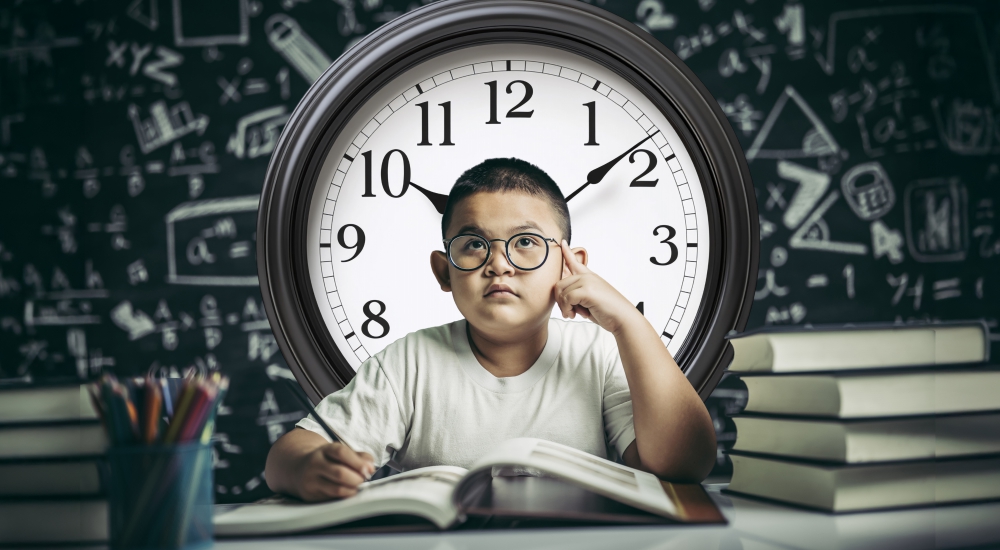
Olympiads are time-bound. Children learn quickly to manage time, reduce rush and handle pressure. Olympiads help children attempt easy questions first, practise with a timer, and review answers carefully for better results.
5. Olympiads Build Self-Awareness in Children
Olympiads for pre-primary help build self-awareness and allow children to know themselves in a better way. When a child sees that they are good at logical reasoning but need more practice in spellings, they develop a healthy, honest view of their own abilities. This self-awareness encourages ownership of learning and motivates children to put extra efforts for optimal results.
6. Olympiads Offer a Safe Space to Fail & Grow
Olympiads are usually seen as extra, so the pressure is lower than a school exam. This allows children to make mistakes and learn from them. A wrong answer becomes information, not failure. Children learn that failures offer a safe space to learn, grow and become resilient.
How Parents and Teachers Can Use Olympiad Results Wisely?
To get the most from Olympiads, the focus should stay on learning and not on ranks or medals. Here is a simple approach for parents and teachers:
*. Review the performance report and celebrate strengths first.
*. List two or three weak topics and make a small, realistic practice plan.
*. Notice patterns such as careless errors, slow speed or fear of unfamiliar questions.
*. Practise with previous year papers to build confidence and familiarity.
*. Avoid comparison. Every child grows at their own pace, and the goal is progress, not position.
Final Thoughts
Olympiads are far more than a testimony of marks. They act as a tool for helping children understand how they think, what they enjoy and where they can improve. When parents and teachers use the results as guidance instead of judgement, Olympiads can build confidence, curiosity and a lifelong love of learning.
Recent Posts

- Mittsure Olympiad

- Mittsure Olympiad

- Mittsure Olympiad
- Mittsure Olympiad
- Mittsure Olympaid
- Mittsure Olympiad

- Mittsure Olympiad


- Mittsure Olympiad